




Warehouse Ladder Supplier Australia: How to Choose the Right Partner
Choosing a warehouse ladder supplier is about more than comparing product prices. The right supplier should understand the demands of warehouse operations, provide dependable equipment and support customers well beyond the initial sale.
For businesses investing in warehouse access equipment, a reliable supplier can make a significant difference to workplace safety, equipment availability and long-term operating costs.
Australia has a range of ladder suppliers, from importers and resellers to specialist manufacturers. Understanding the differences can help businesses make a more informed decision and establish a relationship with a supplier they can rely on.
Look for genuine manufacturing experience
A supplier’s experience and understanding of the products they sell are important considerations.
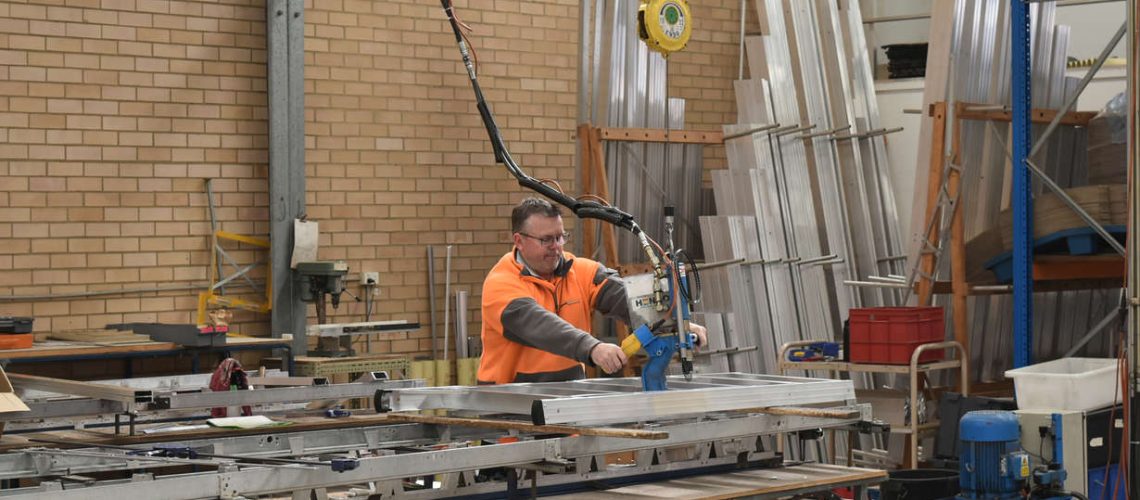
An established Australian manufacturer has direct involvement in product design, development and manufacturing. This can provide a deeper understanding of how equipment is constructed, how it performs in working environments and how it should be maintained.
When evaluating a supplier, consider:
- How long the business has been involved in access equipment manufacturing.
- Whether it designs and manufactures its own products or primarily resells imported equipment.
- Whether it can explain the design features and intended applications of its products.
- Whether it has a history of supplying equipment to Australian industrial and commercial businesses.
Buying directly from an experienced manufacturer can also provide a clearer line of communication when technical questions or product support are required.
Check product knowledge and technical support
Warehouse access equipment is used in a variety of working environments. A supplier should be able to provide practical guidance based on its products and their intended applications.
Product knowledge should extend beyond basic dimensions and specifications. A capable supplier should be able to explain:
- The intended application and limitations of each model.
- Available configurations and product options.
- Safe working loads and relevant operating requirements.
- Product-specific safety features and operating instructions.
- Inspection, maintenance and replacement component requirements.
Technical support is particularly important when equipment is being introduced into an existing warehouse operation or when a business needs to resolve a product-related question.
Ask whether technical assistance is available after purchase and whether the supplier can provide relevant product documentation, operating instructions and maintenance information.
Understand where the products are manufactured
The country of manufacture can be an important consideration when comparing warehouse ladder suppliers.
Australian manufacturing provides local industry involvement and can offer direct access to the people responsible for the product’s design and production.
It is also worth understanding the difference between an Australian-owned business, an Australian distributor and an Australian manufacturer. These descriptions are not interchangeable.
Ask suppliers where their products are manufactured and whether they have direct control over product design, quality processes and ongoing development.
For businesses that value local manufacturing, dealing with an established Australian manufacturer can provide greater transparency about the products being supplied and the support available.
StockMaster is an Australian manufacturer of mobile platform ladders and workplace access equipment, with more than 30 years of industry experience.
Evaluate warranty and after-sales support
The relationship with a supplier should not end when the equipment is delivered.
Before purchasing, understand the warranty arrangements and what support is available if a product requires attention.
Questions worth asking include:
- What warranty applies to the equipment?
- Who handles warranty enquiries and assessments?
- Is technical assistance available locally?
- Can replacement components be supplied?
- Are operating instructions and maintenance information readily available?
A clear warranty process and accessible after-sales support can help businesses manage equipment over its working life.
It is important to review the actual warranty terms rather than relying on general assurances. Coverage, exclusions and conditions can vary between products and suppliers.
Check spare parts availability
Spare parts availability is an important consideration for businesses that rely on access equipment as part of their daily operations.
A damaged or worn component may affect the safe use of equipment. Having access to the correct replacement parts can help reduce unnecessary downtime and avoid the need to replace an entire product when a suitable component is available.
Ask whether the supplier maintains spare parts or can arrange replacement components when required.
Also consider whether parts are supported by product documentation, identification information and technical assistance to help ensure the correct component is ordered.
A supplier with an established spare parts range and knowledge of its own products is better placed to assist when maintenance or repairs are required.
Consider product availability and delivery
A supplier may offer a suitable product, but availability and delivery arrangements also need to be considered.
For warehouse operators, delays can affect planned installations, maintenance schedules and operational requirements.
When comparing suppliers, establish:
- Whether products are held in Australian stock.
- Whether models or configurations are made to order.
- Typical lead times for standard and customised products.
- Whether spare parts are readily available.
- How delivery is arranged and whether freight costs are clearly communicated.
If a supplier relies on overseas manufacturing or importing, ask how this affects stock availability and replacement part lead times.
A supplier that communicates availability clearly makes it easier to plan purchases and manage expectations.
Assess the distributor and support network
For businesses purchasing outside a supplier’s immediate operating area, the availability of local distributor support can be particularly valuable.
An established distributor network can provide access to product information, local sales assistance and support closer to the customer’s location.
When evaluating a supplier’s network, consider:
- Whether authorised distributors operate in your region.
- Whether distributors have appropriate product knowledge.
- Whether technical questions can be referred directly to the manufacturer.
- Whether replacement parts and product support can be coordinated.
- Whether the manufacturer provides ongoing assistance to its distributors.
A well-supported distributor network combines local accessibility with the product knowledge and resources of the manufacturer.
StockMaster supplies through a network of more than 120 distributor and sales outlets across five countries, supporting customers in Australia and international markets.
Compare the total value, not just the purchase price
Price is an important part of any purchasing decision, but it should not be the only consideration.
A lower initial price may not represent the best long-term value if product support is limited, spare parts are difficult to obtain or replacement equipment has to be sourced more frequently.
When comparing suppliers, consider the overall package:
Consideration | What to look for |
|---|---|
Manufacturing | Established experience and clear product origin |
Product knowledge | Practical technical advice and model-specific information |
Safety documentation | Relevant specifications, instructions and supporting documentation |
Warranty | Clear written terms and an accessible claims process |
Spare parts | Ongoing access to suitable replacement components |
Availability | Transparent stock levels and realistic lead times |
Distribution | Local sales and support coverage |
After-sales service | Direct assistance when questions or issues arise |
Comparing suppliers against the same criteria provides a more useful assessment than comparing purchase prices alone.
Choosing a warehouse ladder supplier you can rely on
The right warehouse ladder supplier should offer more than a range of products. Manufacturing experience, product knowledge, technical support, spare parts availability and a reliable distribution network all contribute to a better purchasing decision.
For businesses investing in workplace access equipment, establishing a relationship with a supplier that understands its products and supports them over the long term can provide value well beyond the initial purchase.
StockMaster has been designing and manufacturing mobile platform ladders and workplace access equipment in Australia for more than 30 years. With an established distributor network and a focus on practical workplace access solutions, StockMaster supports businesses looking for dependable equipment and ongoing product assistance.
Explore the StockMaster range of warehouse and workplace access equipment or contact StockMaster to discuss your requirements.
Frequently Asked Questions
What should I look for in a warehouse ladder supplier?
Look for an established supplier with relevant product knowledge, clear manufacturing information, technical support, written warranty terms, spare parts availability and dependable delivery arrangements.
Is it better to buy warehouse ladders from an Australian manufacturer?
Buying from an Australian manufacturer can provide direct access to product knowledge, manufacturing expertise and local support. It is worth checking whether a supplier actually manufactures its products in Australia or imports and resells equipment.
Why is spare parts availability important?
Access to suitable replacement components can help maintain equipment and reduce unnecessary downtime. It is particularly important for businesses that use warehouse access equipment regularly.
What questions should I ask about a ladder supplier's warranty?
Ask what the warranty covers, how long it applies, what exclusions or conditions exist, who handles claims and whether technical assistance and replacement parts are available.
Does a supplier's distributor network matter?
Yes. A distributor network can make it easier to obtain local sales assistance, product information and support. It is also useful to understand how distributors work with the manufacturer when technical or warranty assistance is needed.